Charles Kenahan on the 2026 Newport Bermuda Race.
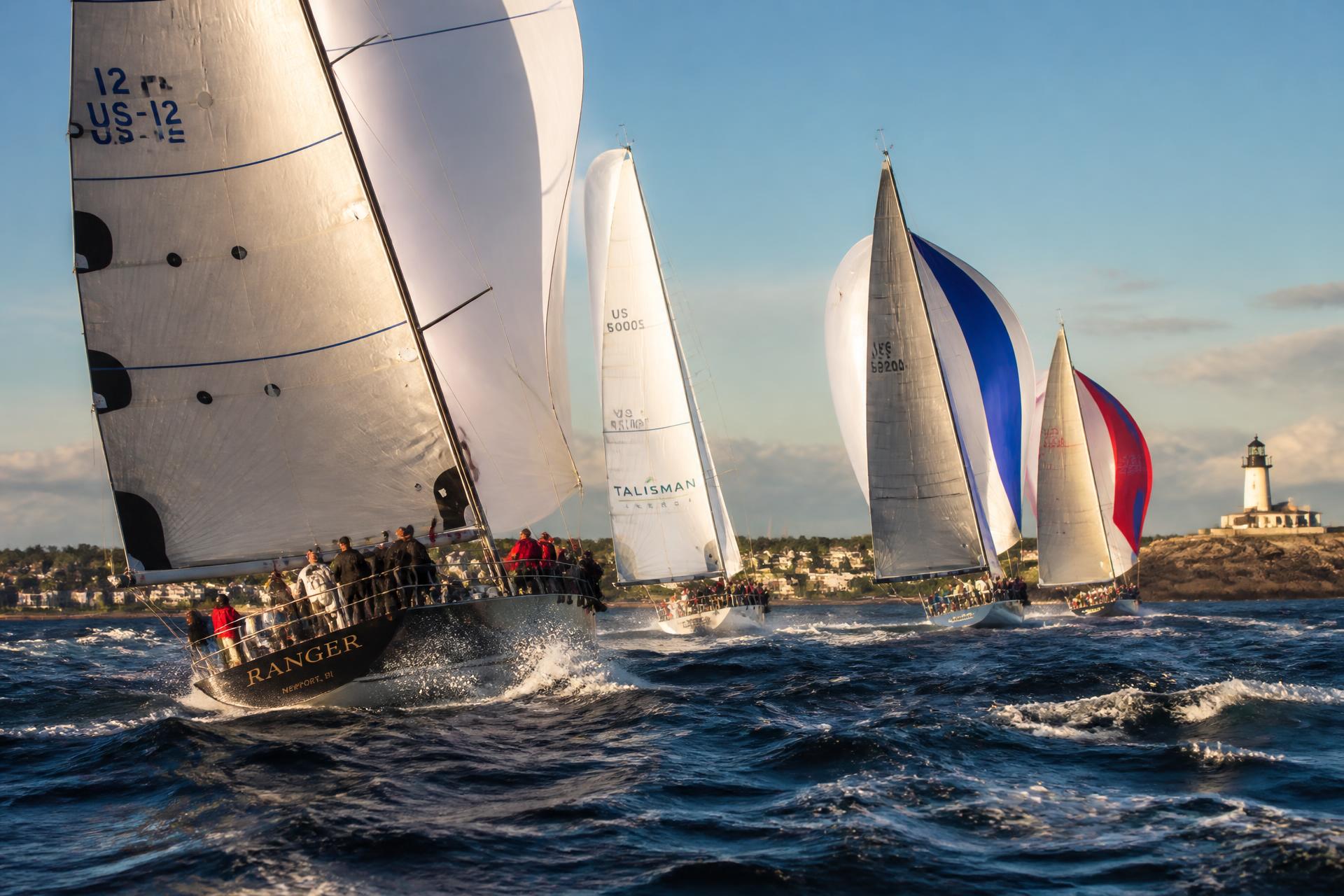
Every two years, the Newport Bermuda Race reminds the sailing world why Rhode Island holds such a special place in offshore racing.
There are larger ports, warmer ports, and perhaps easier places to begin a race. But there is something about leaving from Newport that gives this event its character. The harbor, the history, the boats, the crews, the preparation, and the long stretch of open water ahead all combine into something that feels bigger than a race.
The 2026 Newport Bermuda Race was another reminder of that.
For anyone who loves sailing, this race is one of the great tests. It is not simply a sprint from Rhode Island to Bermuda. It is a 636-nautical-mile offshore challenge that asks a great deal of a boat and even more of a crew. It requires preparation, discipline, patience, courage, and respect for conditions that can change quickly.
That is why I have always admired this race. It brings together the competitive side of sailing with the deeper values of seamanship.
This year's race had plenty of drama and plenty to admire. The fleet left Newport with 144 teams at the start, and 138 boats completed the course. That alone says something important about the quality of the boats, the crews, the preparation, and the safety culture around the event.
Offshore sailing can be beautiful, but it is never casual. The ocean has a way of exposing shortcuts. A crew has to prepare honestly. A boat has to be ready. Systems have to work. People have to know their roles. When that many boats complete a race of this distance, it reflects well on the sailors, the organizers, and the traditions that surround the Newport Bermuda Race.
One of the great stories of the 2026 race was Black Jack 100, the 100-foot maxi yacht that took line honors and won the Gibbs Hill Lighthouse Trophy. To see a boat of that size and power push so hard across the course is impressive by any standard. Black Jack 100 came within less than an hour of the race record set in 2016, which tells you just how fast and committed that program was.
But the Newport Bermuda Race has never been only about the first boat to finish.
That is part of what makes it special.
The St. David's Lighthouse Division remains one of the most meaningful parts of the race because it speaks to the Corinthian spirit of offshore sailing. This year, the St. David's Lighthouse Trophy went to Nicole, a Cal 40 owned and skippered by Thomas Campbell. I love seeing a story like that at the center of the race. It reminds us that preparation, seamanship, and execution still matter deeply, even in an era of highly technical boats and professional programs.
A well-sailed boat is a beautiful thing. It does not matter whether it is the largest boat in the fleet or a smaller boat sailed by a disciplined crew. Offshore racing rewards those who understand their boat, trust one another, and make good decisions over a long period of time.
"The race is won and lost over hours, not moments."
It is won in sail changes, watch rotations, navigation calls, meals prepared in difficult conditions, repairs made under pressure, and decisions made when people are tired. It is won by crews that stay calm, communicate clearly, and keep working even when the easy part is over.
This year's race also seemed to capture something broader than competition. The official recap described strong community presence on both sides of the course, from Newport to Bermuda, and that matters. Sailing is a sport built around community. The people on the docks, the families watching trackers, the volunteers, race committees, yacht clubs, safety teams, and host communities all help make an event like this possible.
In Rhode Island, that community has deep roots.
Newport is not just a convenient starting point. It is part of the race's identity. When boats leave Narragansett Bay and head offshore, they carry with them a piece of Rhode Island's maritime tradition. That tradition includes competition, but it also includes responsibility.
The Newport Bermuda Race asks sailors to respect the Gulf Stream, the weather, the boat, the crew, and the sea itself. Those are not abstract ideas. Anyone who has spent enough time on the water understands that respect is not optional. It is part of safe and successful sailing.
That is one reason I think races like this remain so important.
They connect generations of sailors. They keep seamanship alive. They teach younger sailors that technology is helpful, but judgment still matters. They remind all of us that a boat is only as strong as the preparation behind it and the people aboard it.
I also appreciate how the race brings attention back to the water itself. Rhode Island is fortunate to have one of the most beautiful coastal environments in the country. Narragansett Bay, Newport Harbor, and the surrounding waters are central to who we are as a state. Events like the Newport Bermuda Race celebrate that identity, but they should also remind us of our obligation to protect it.
Clean water, safe boating, responsible harbor use, and respect for marine life are all part of the same conversation. If we are going to enjoy these waters, compete on them, and build traditions around them, then we also have a duty to care for them.
That may be the lesson I come back to most often.
Sailing gives people freedom, but it also teaches responsibility. It teaches us that we are part of something larger than ourselves. On the water, you cannot control everything. You can only prepare, stay alert, respect the conditions, and do your part.
The 2026 Newport Bermuda Race gave the sailing community plenty to celebrate. It produced a nearly record-breaking line honors performance, a meaningful St. David's Lighthouse victory, strong fleet completion, and another chapter in one of offshore sailing's great traditions.
For Rhode Island, it was also another reminder of how fortunate we are.
We live in a place where the water is not just scenery. It is history, culture, challenge, livelihood, recreation, and inspiration. Every two years, when the Newport Bermuda fleet heads out from Newport toward Bermuda, that connection becomes visible again.
And for those of us who love the water, it is hard not to feel proud.